
Where Medical Assistants Are Getting Hired

Medical assistants play a vital role in healthcare, supporting doctors, nurses, and patients with administrative and clinical tasks. As the healthcare industry grows, so does the demand for skilled medical assistants. Understanding where these professionals are most in demand can help job seekers focus their efforts and make informed career decisions. This post explores the key places where medical assistants are getting hired today, highlighting trends and opportunities in various healthcare settings.
Medical Clinics and Physician Offices
The majority of medical assistants find employment in medical clinics and physician offices. These settings require medical assistants to handle a mix of administrative duties like scheduling appointments and managing patient records, alongside clinical tasks such as taking vital signs and preparing patients for exams.
Why clinics and physician offices hire many medical assistants:
High patient volume requiring support staff
Need for multitasking between front desk and clinical work
Smaller teams where medical assistants fill diverse roles
For example, family practice clinics often hire medical assistants to ensure smooth patient flow and efficient office operations. This environment suits those who enjoy variety and direct patient interaction.
Hospitals and Outpatient Care Centers
Hospitals also employ medical assistants, though in smaller numbers compared to clinics. In hospitals, medical assistants may work in outpatient departments, emergency rooms, or specialty units. Their responsibilities often focus more on clinical support, such as assisting with procedures, preparing equipment, and documenting patient information.
Outpatient care centers, which provide specialized services like physical therapy or diagnostic testing, also hire medical assistants to support patient care and administrative tasks. These centers are growing as more healthcare shifts to outpatient settings.
Specialty Medical Practices
Specialty practices such as dermatology, cardiology, and orthopedics increasingly rely on medical assistants. These practices require assistants who understand specific procedures and terminology related to their field. Medical assistants in specialty offices often receive additional training to handle specialized equipment or assist with particular treatments.
For example, a dermatology office may hire medical assistants to help with skin biopsies or laser treatments, while a cardiology practice might need assistants skilled in EKG administration.
Long-Term Care Facilities and Rehabilitation Centers
Long-term care facilities, including nursing homes and assisted living centers, employ medical assistants to support ongoing patient care. These settings focus on chronic conditions and rehabilitation, where medical assistants help with daily health monitoring, medication administration, and patient communication.
Rehabilitation centers also hire medical assistants to assist therapists and nurses in patient care routines. These roles often involve close patient contact and require strong interpersonal skills.
Urgent Care Centers
Urgent care centers have grown rapidly in recent years, providing immediate care for non-life-threatening conditions. These centers hire medical assistants to manage patient intake, assist with minor procedures, and maintain medical records. The fast-paced environment suits medical assistants who thrive on variety and quick decision-making.
Urgent care centers often operate extended hours, offering flexible shifts that appeal to many medical assistants.
Government and Public Health Organizations
Some medical assistants find opportunities in government-run clinics, public health departments, and community health centers. These roles often focus on preventive care, immunizations, and health education. Working in public health allows medical assistants to contribute to community wellness and serve underserved populations.
Trends Influencing Medical Assistant Hiring
Several trends shape where medical assistants are getting hired:
Aging population: More elderly patients increase demand in long-term care and outpatient settings.
Shift to outpatient care: Many procedures move from hospitals to clinics and urgent care centers.
Specialization: Growing specialty practices require medical assistants with targeted skills.
Healthcare access expansion: Public health initiatives create jobs in community clinics.
Medical assistants who pursue additional certifications or specialize in certain areas may find more opportunities and higher pay.
Tips for Medical Assistants Seeking Employment
Target growing sectors: Focus on clinics, urgent care, and specialty practices.
Gain specialized skills: Consider certifications in EKG, phlebotomy, or medical billing.
Network locally: Connect with healthcare providers and attend job fairs.
Be flexible: Willingness to work varied shifts or locations can open more doors.
Understanding where medical assistants are most in demand helps job seekers tailor their resumes and training to meet employer needs.

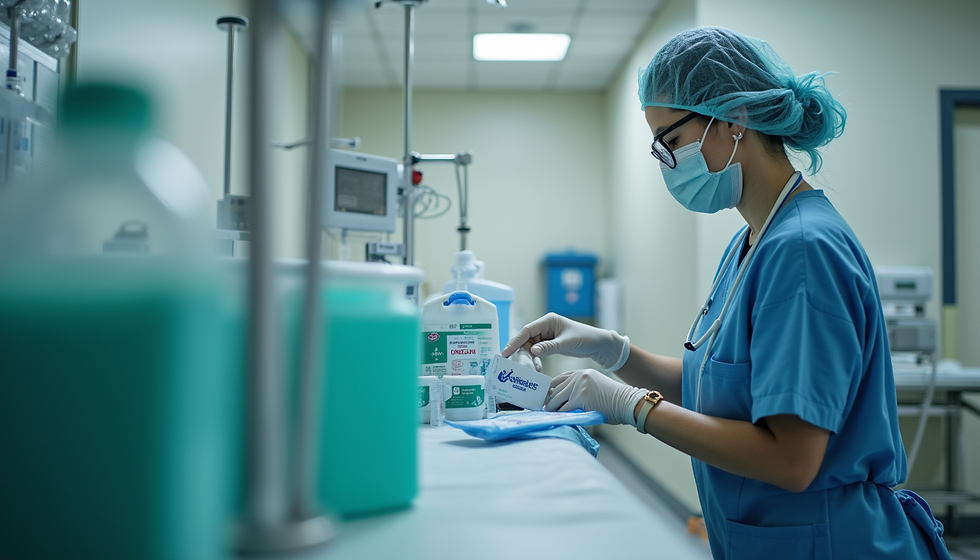

Useful overview of where medical assistants are finding opportunities, from physician offices and hospitals to specialty practices, urgent care, and outpatient centers. The growing demand for specialized healthcare support makes efficient practice operations increasingly important.
At Billing Care Solutions, we support healthcare providers across different specialties with reliable medical billing solutions, helping streamline claims, improve coding accuracy, reduce denials, and strengthen reimbursement efficiency.
This is super helpful for anyone looking to start a career as a medical assistant. I've been thinking about applying too, but I need to upgrade my home setup first. I've been comparing the mini pc price to find something budget-friendly for online applications and training.
When looking for router login information, it is important to use instructions that correspond with the actual equipment. The Cox router default login can be a useful search starting point, but users should still verify the model before proceeding. Doing so can make the setup process smoother and reduce the possibility of following outdated or irrelevant instructions.
Medical assistants today are landing roles across clinics, urgent care centers, and specialty practices, with demand rising steadily. Many facilities now pair front-office staff with laboratory medical billing services to keep operations smooth. This shift shows how hiring trends are evolving making it a great time to explore opportunities in this growing healthcare field.